TITLE
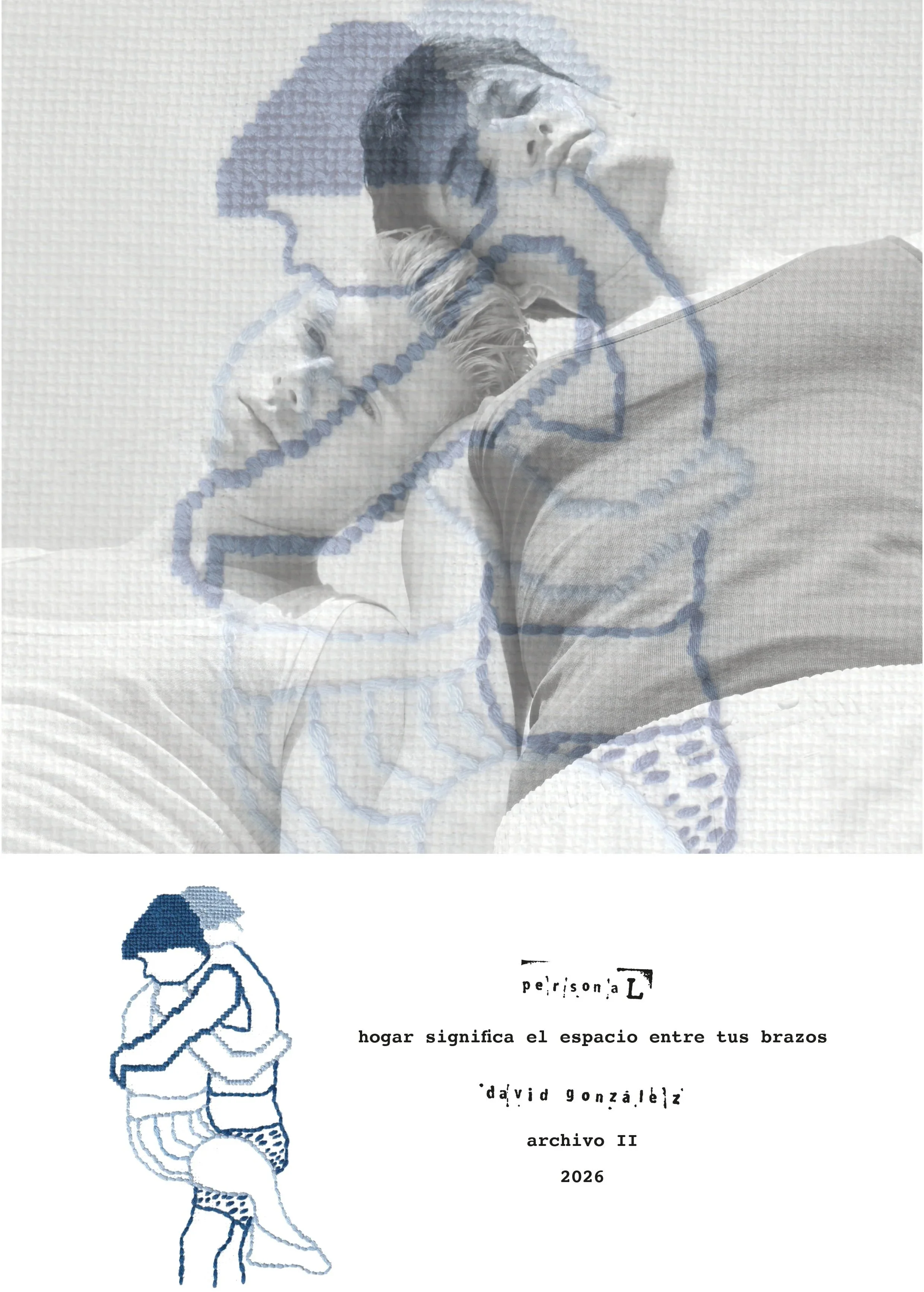
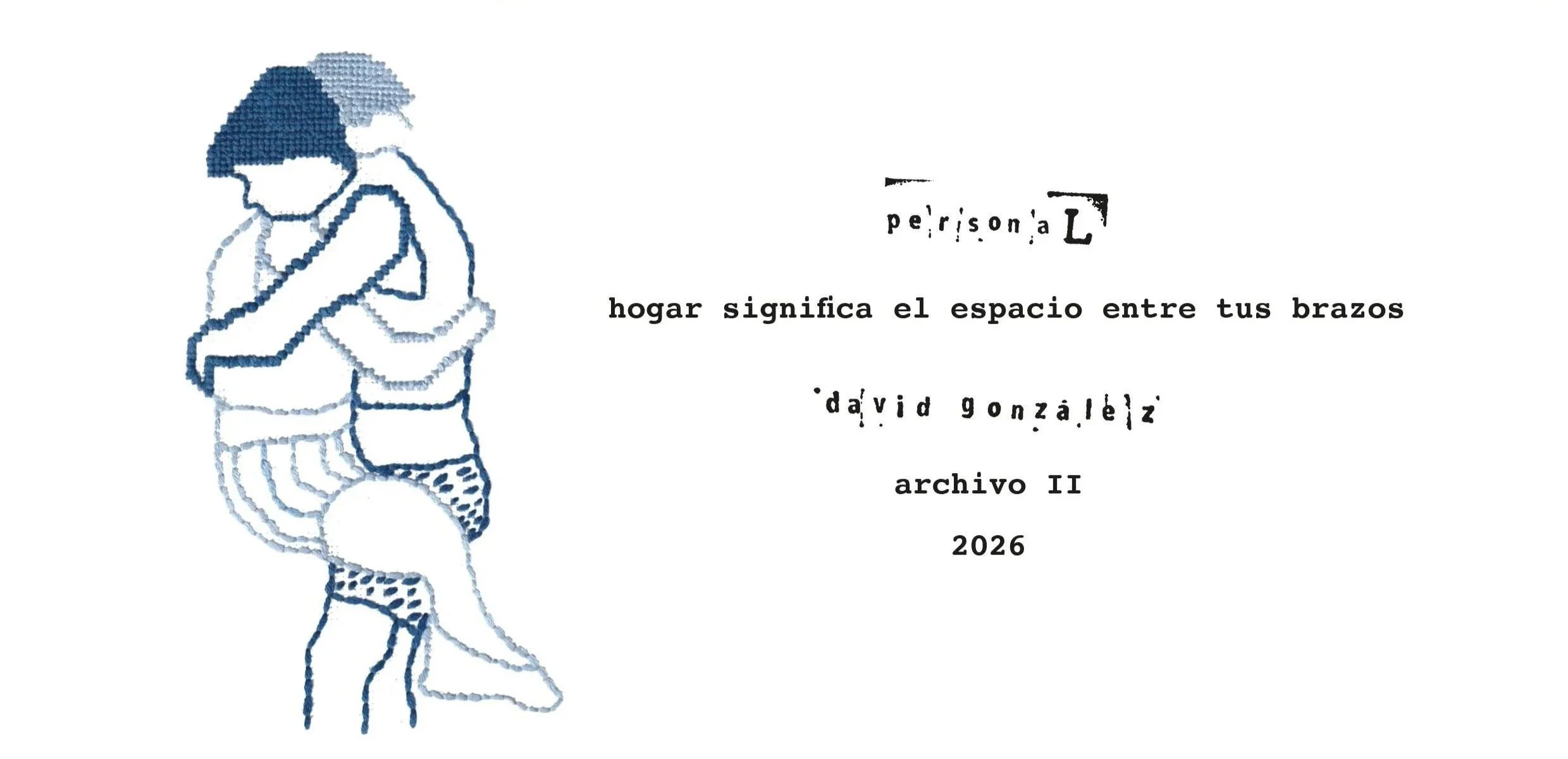
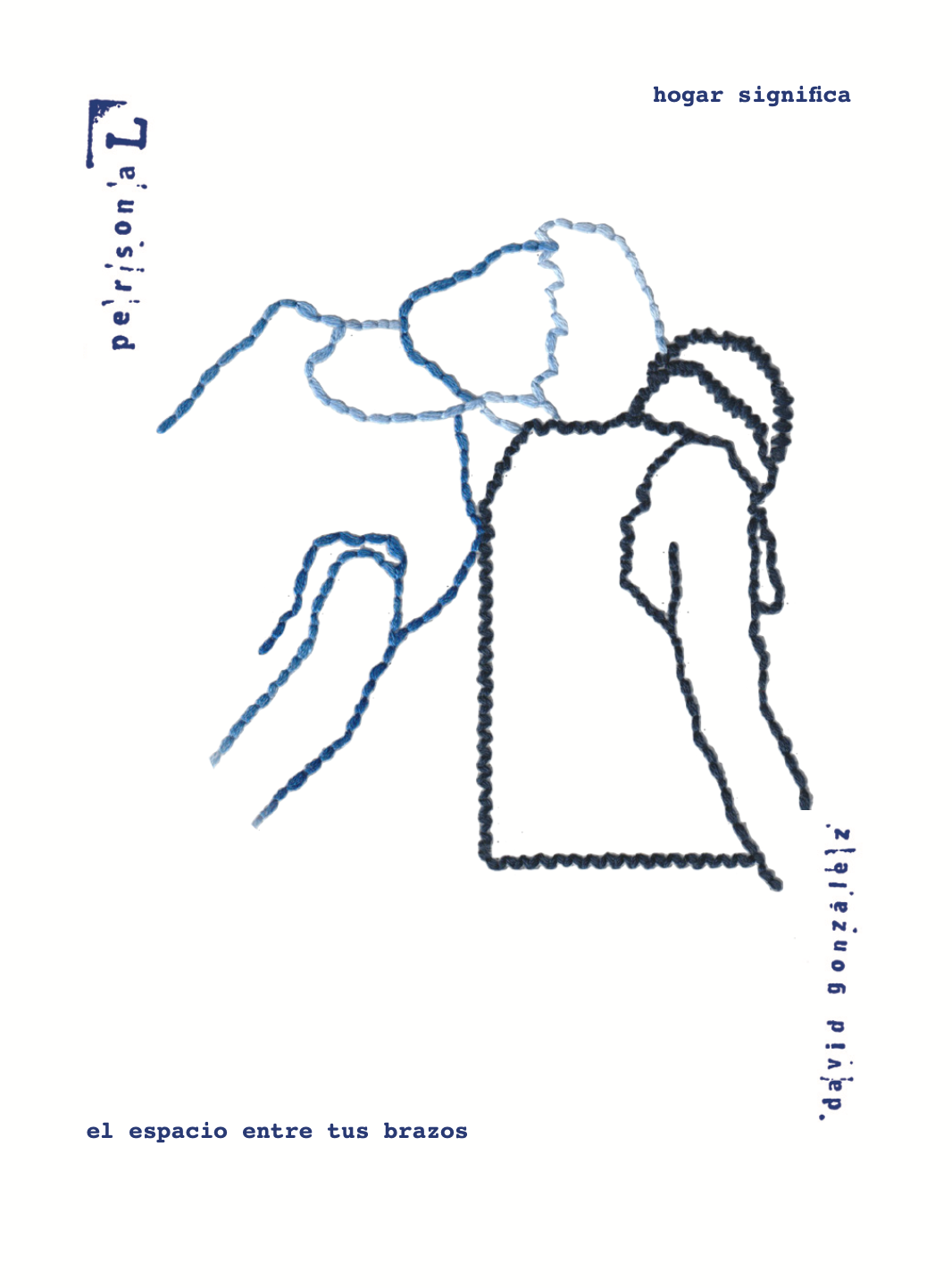
Hogar significa el espacio entre tus brazos
SERIE
personaL
ABSTRACT
HOGAR SIGNIFICA EL ESPACIO ENTRE TUS BRAZOS es el segundo capítulo de la serie personaL, un proyecto que tiene como eje central la reflexión de conceptos vinculados a la condición humana a través de una narrativa creativa interdisciplinar.
Después del primer capítulo, FUERTE NO SIGNIFICA IRROMPIBLE, presentando el carácter vulnerable inherente al ser humano, nace el segundo número, alrededor del concepto de hogar, no como un espacio físico, sino como una revisión introspectiva y reflexiva del camino vital de cada ser humano hacía un destino donde abrazar su propia existencia.
Esta reflexión propone el hogar como un leitmotiv constante en el camino vital y el abrazo como la metáfora del destino ansiado. Partiendo de poéticas vitales como el primer abrazo maternal, el nido como primer refugio emocional, el vínculo sentimental con el otro, o la propia aceptación del individuo, el hogar se construye desde el propio cuerpo al ajeno. De alguna forma, encontrar la calidez de nuestro espacio vital y el de saber que hemos llegado allí donde apagamos la frialdad en el espacio que generan los brazos del otro generando un lugar que podamos llamar hogar.
HOME MEANS THE SPACE BETWEEN YOUR ARMS is the second chapter of this personal series, a project centered on reflecting upon concepts related to the human condition through an interdisciplinary creative narrative.
Following the first chapter, STRONG DOESN'T MEAN UNBREAKABLE, which explored vulnerability as an inherent aspect of being human, this second volume revolves around the idea of home—not as a physical place, but as an introspective reflection on each individual's life journey towards a destination where one can finally embrace their own existence.
This reflection proposes home as a recurring leitmotif throughout life's journey, with the embrace becoming a metaphor for the destination we long to reach. Drawing on deeply human experiences—such as the first maternal embrace, the nest as our earliest emotional refuge, our intimate bond with another person, or the individual's acceptance of themselves—home is understood as something built through the body, from our own to someone else's.
Ultimately, home becomes the warmth of discovering the place where we finally belong: the space that dissolves the coldness of the world within the embrace of another, creating a place we can truly call home.
QUESTION
¿Qué significa hogar?
¿De dónde venimos y hacia dónde nos dirigimos?
El proyecto propone el hogar como aquel lugar que se construye de manera cálida entre unos brazos, como el primer abrazo de la madre, el ser humano busca constantemente en su camino, lugares donde alojarse, donde cobijarse, donde sentirse como en casa. Ese hogar que se construye en otro cuerpo o en el propio cuerpo.
What does it means home?
Where do we come from, and where are we going?
The project proposes that home is not a physical place but a warm space created between two arms. Just as our first experience of home is found in a mother's embrace, throughout life we continually seek places of refuge, shelter and belonging. Home is therefore understood as something that can be built within another body, or ultimately within our own.
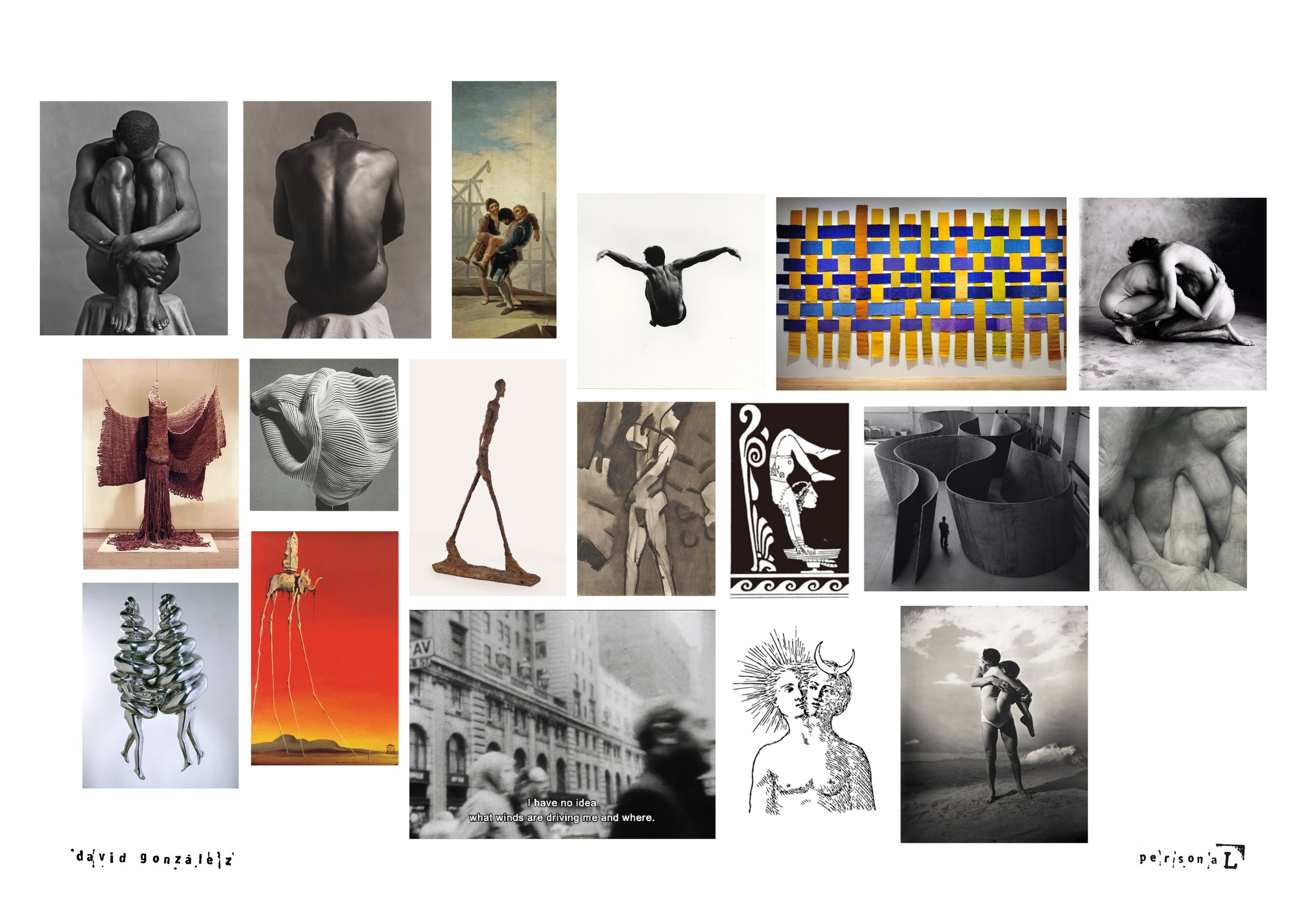
RESEARCH OF SYMBOLS AND VISUAL SYSTEM
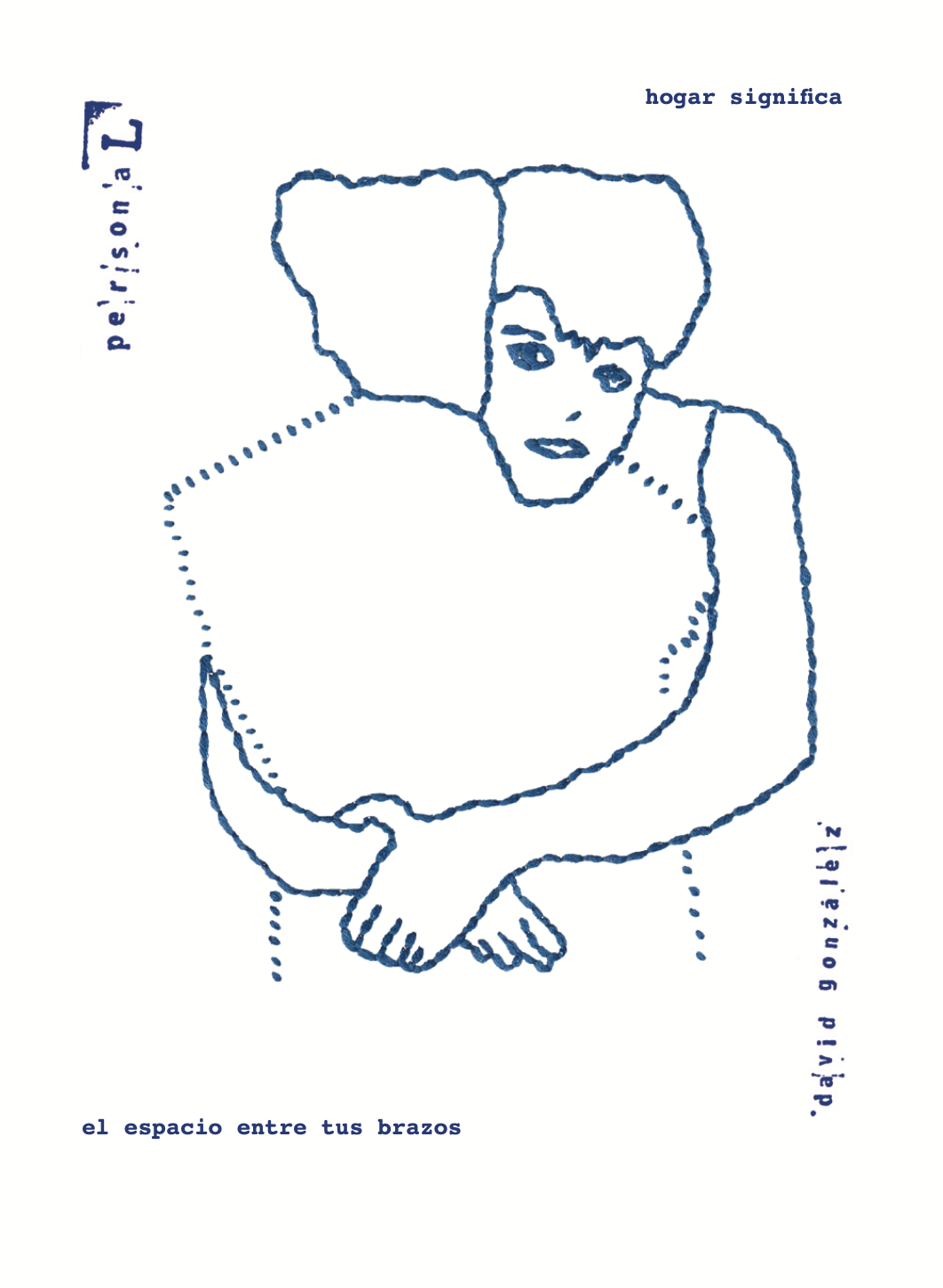
Este proyecto se construye como un camino reflexivo vital hacia la idea del hogar como lugar de nacimiento y como lugar de destino. De dónde venimos y a dónde vamos. En ese itinerario aparecen 6 figuras inspiracionales de lo que puede resultar ese camino:
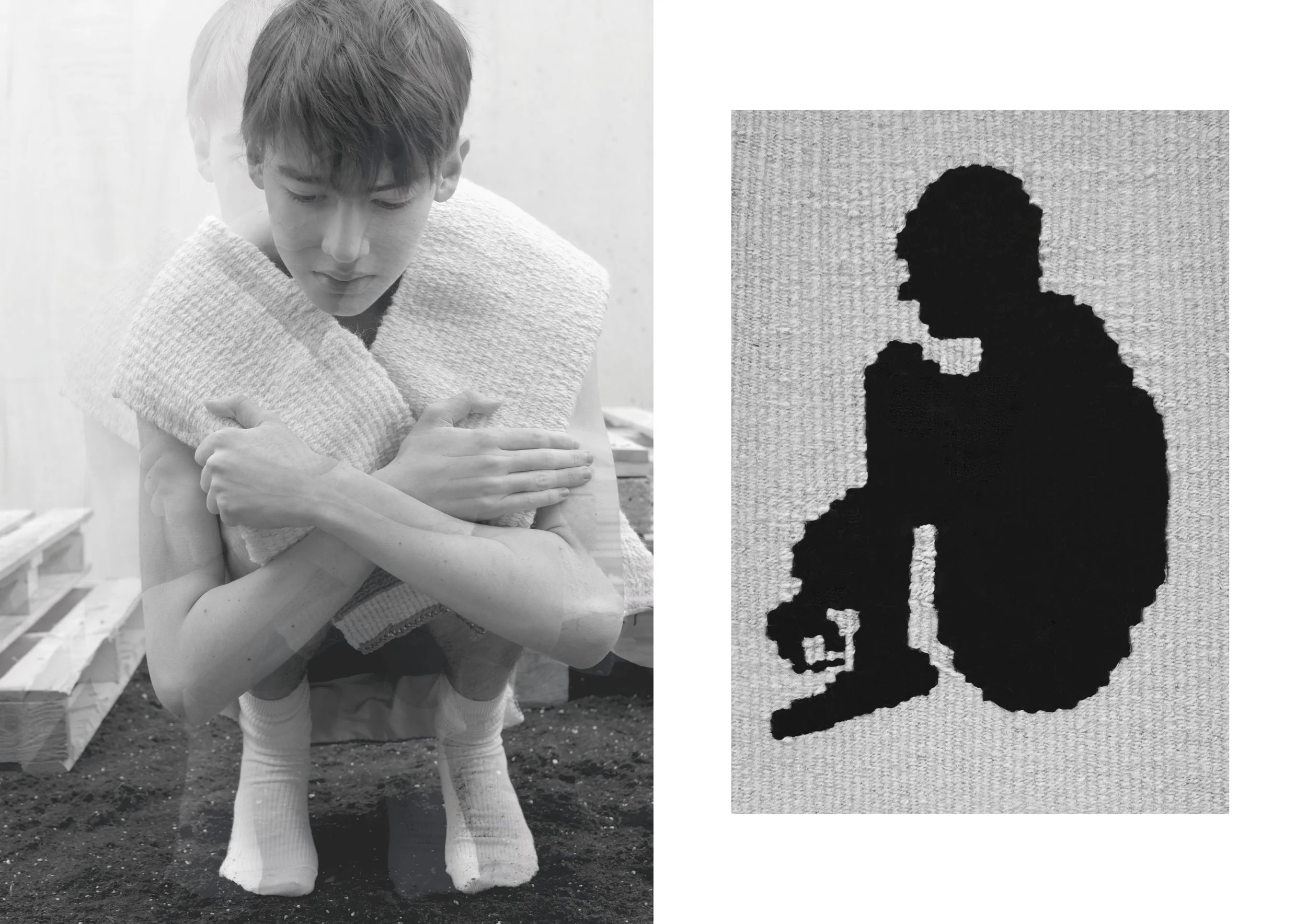
1. Pensador-Nido. Visualmente representado con la figura del pensador. Lugar del que partimos. El nido es un hogar que construyen los pájaros a partir de su anatomía para sentirlo su refugio. Algo similar al primer abrazo del recién nacido en contacto con la madre.
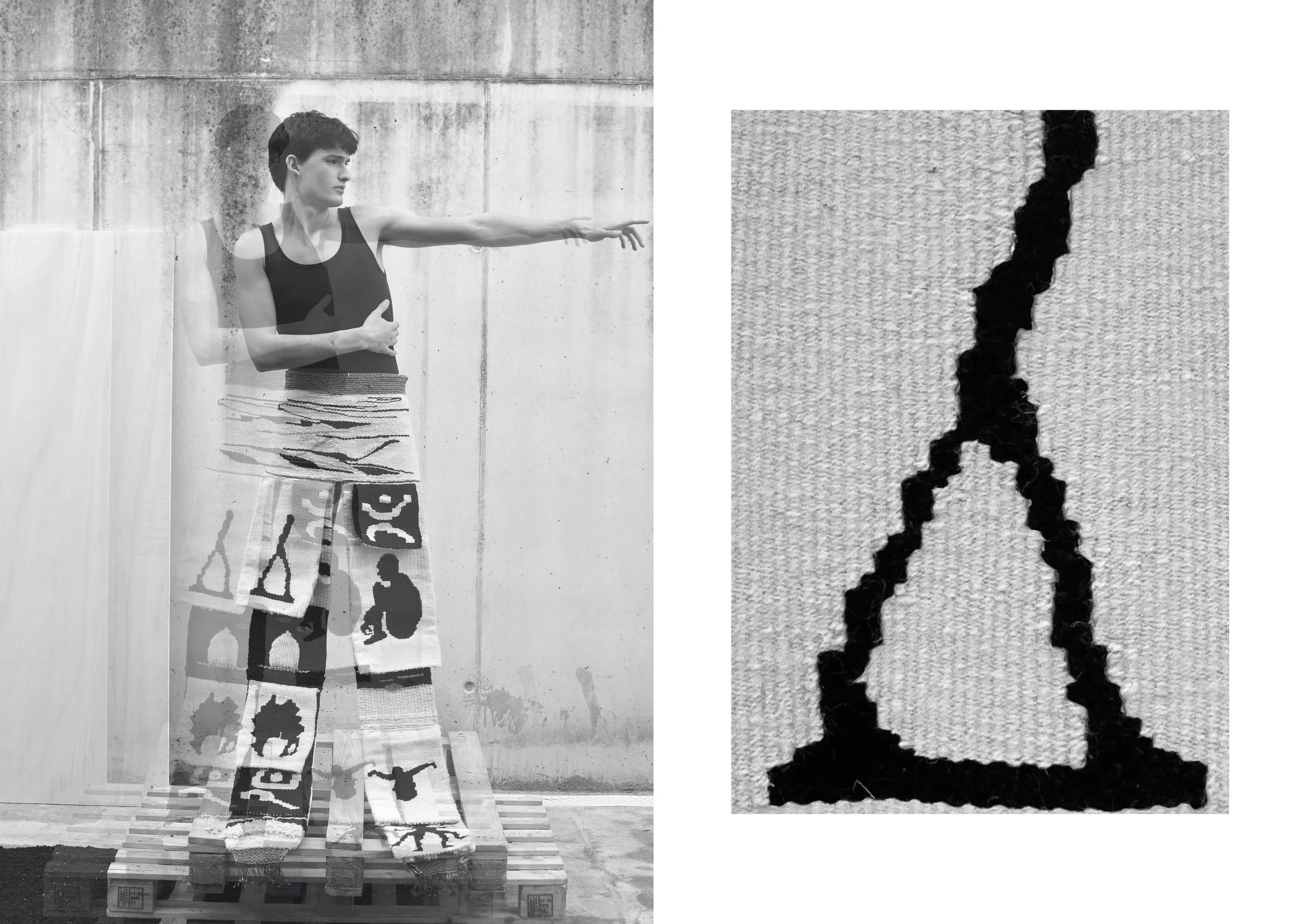
2. Caminante. Visualmente representado con la escultura de Giacometti. Nuestro camino son grandes itinerarios construidos por fragmentos de vidas, personas, experiencias…
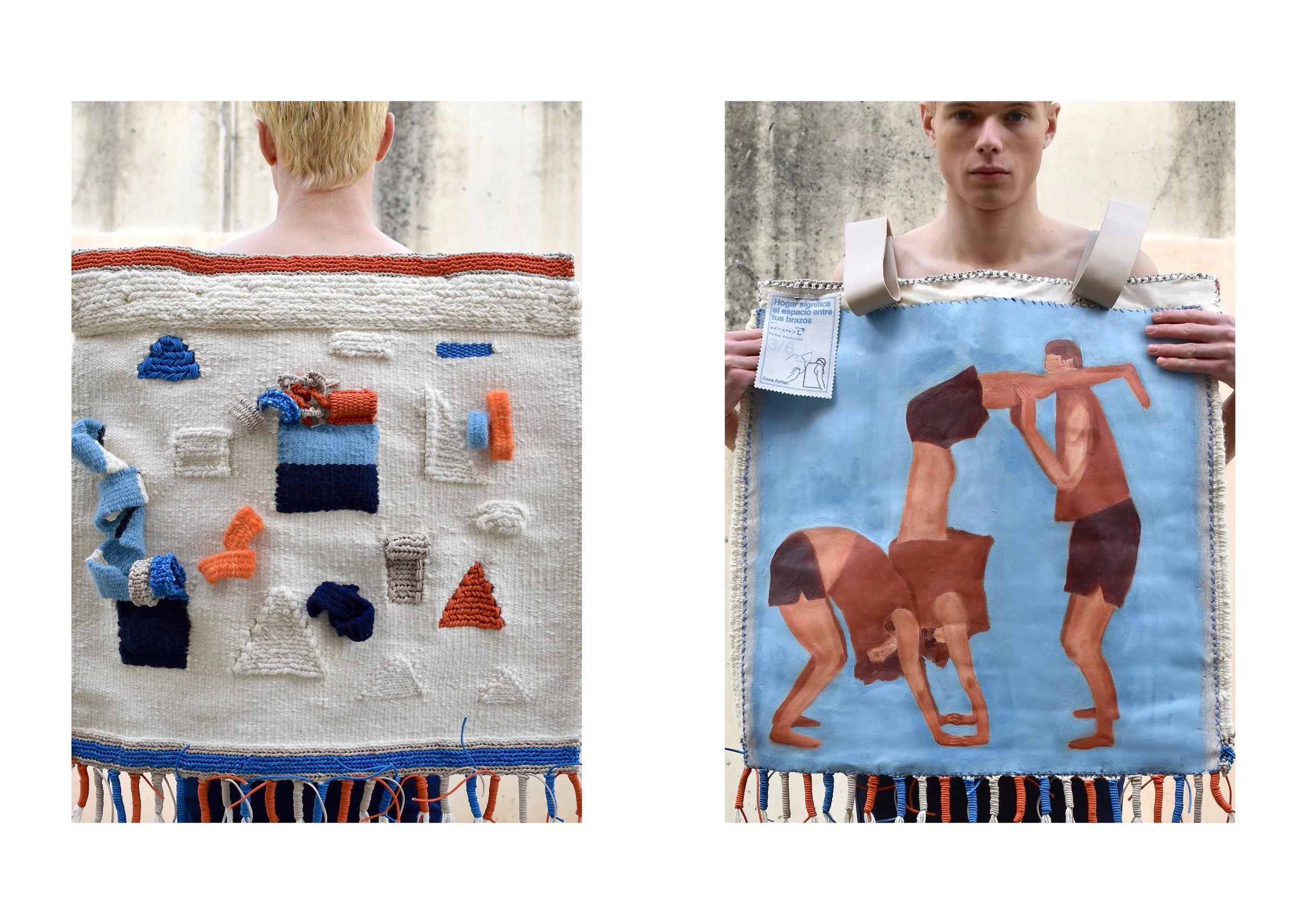
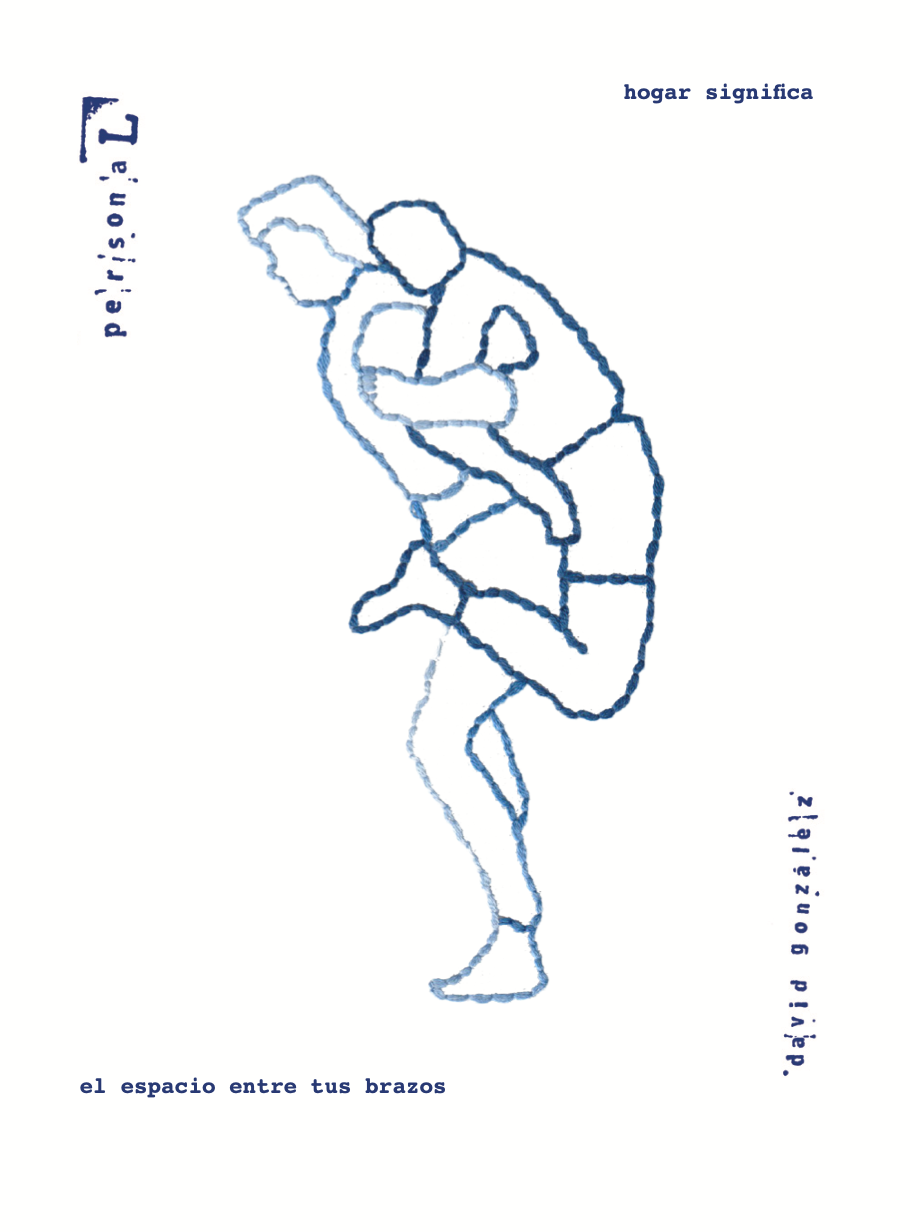
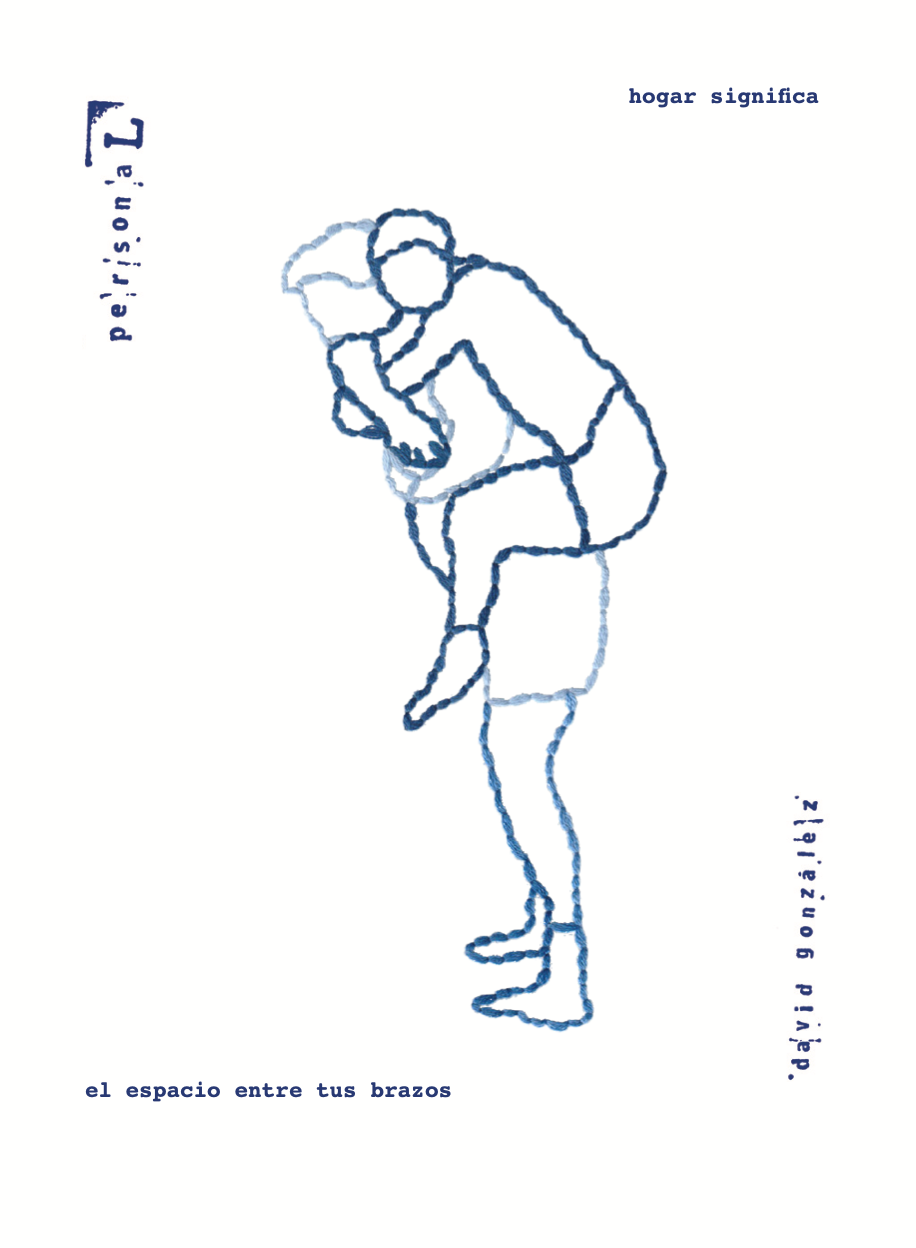
3. Rocódromo. Visualmente representado como un acróbata. La figura del acrobata, persona en posición invertida, simboliza una manera distinta de ver las cosas, en momentos de crisis o no salida, simboliza revertir la situación. El rocódromo y el acróbata se relacionan en esta parte como los obstáculos, riesgos de caida o dificultades para llegar a un punto.
4. Laberinto. Visualmente reprentado como un laberinto. Una metáfora de la dificultad de llegar a un lugar con un destino por un camino recto.
5. Andrógino. Representado con el mito del andrógino. El ser humano nace completo, somos dos. A partir de un castigo nos separan y estamos condenados a buscar al otro (tradicionalmente, la media naranja). A partir de ahí, nuestro destino es buscar a la otra parte para volver a sentirnos unidos (llegar a unos brazos).
6. Couple o Unión. Representado con la escultura couple de L.Bourgeoise. El abrazo es el destino. Es el hogar. Es aquel espacio dónde se consigue la unidad, el circulo. Donde se abandona la separación para conseguir la unidad.
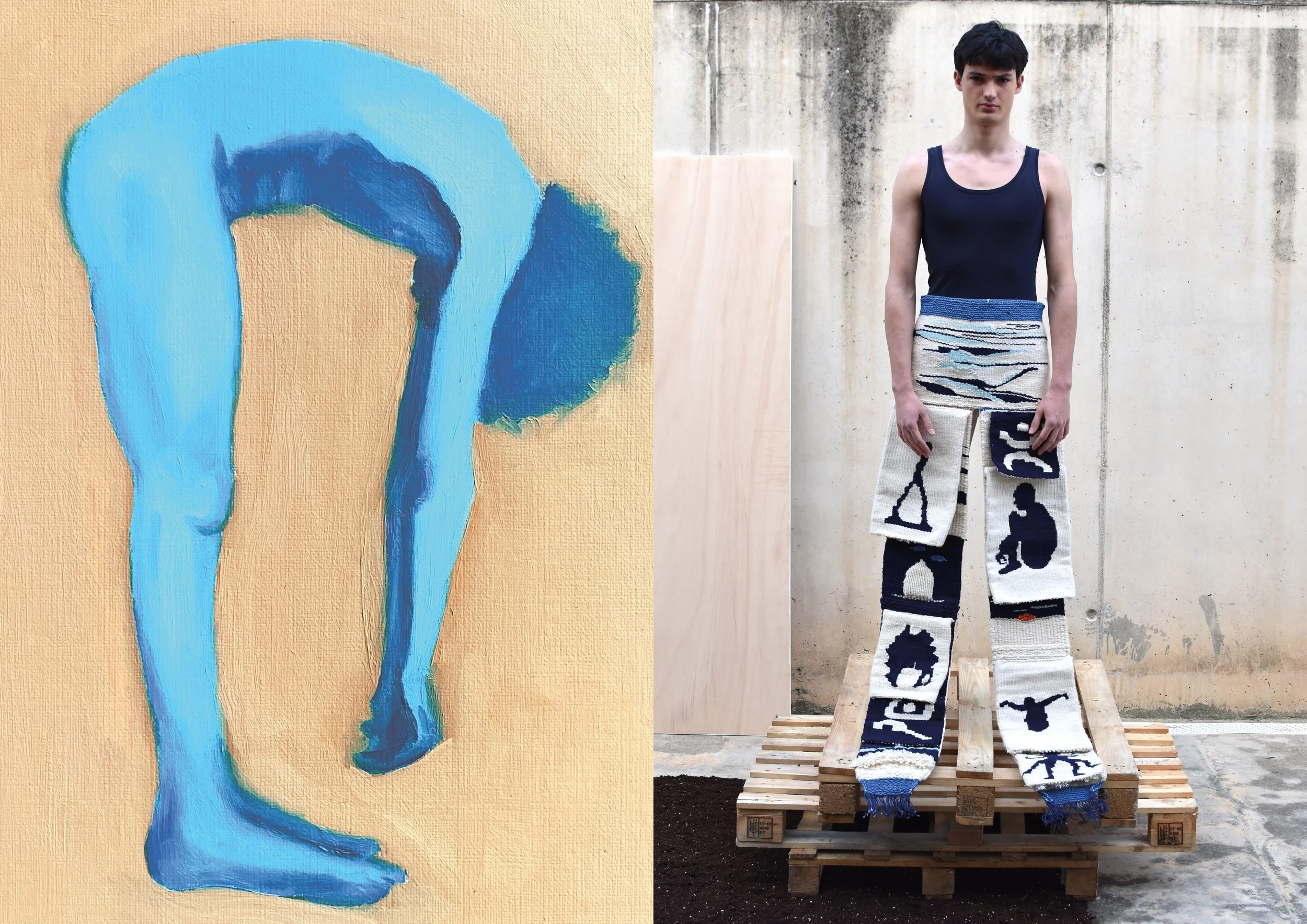
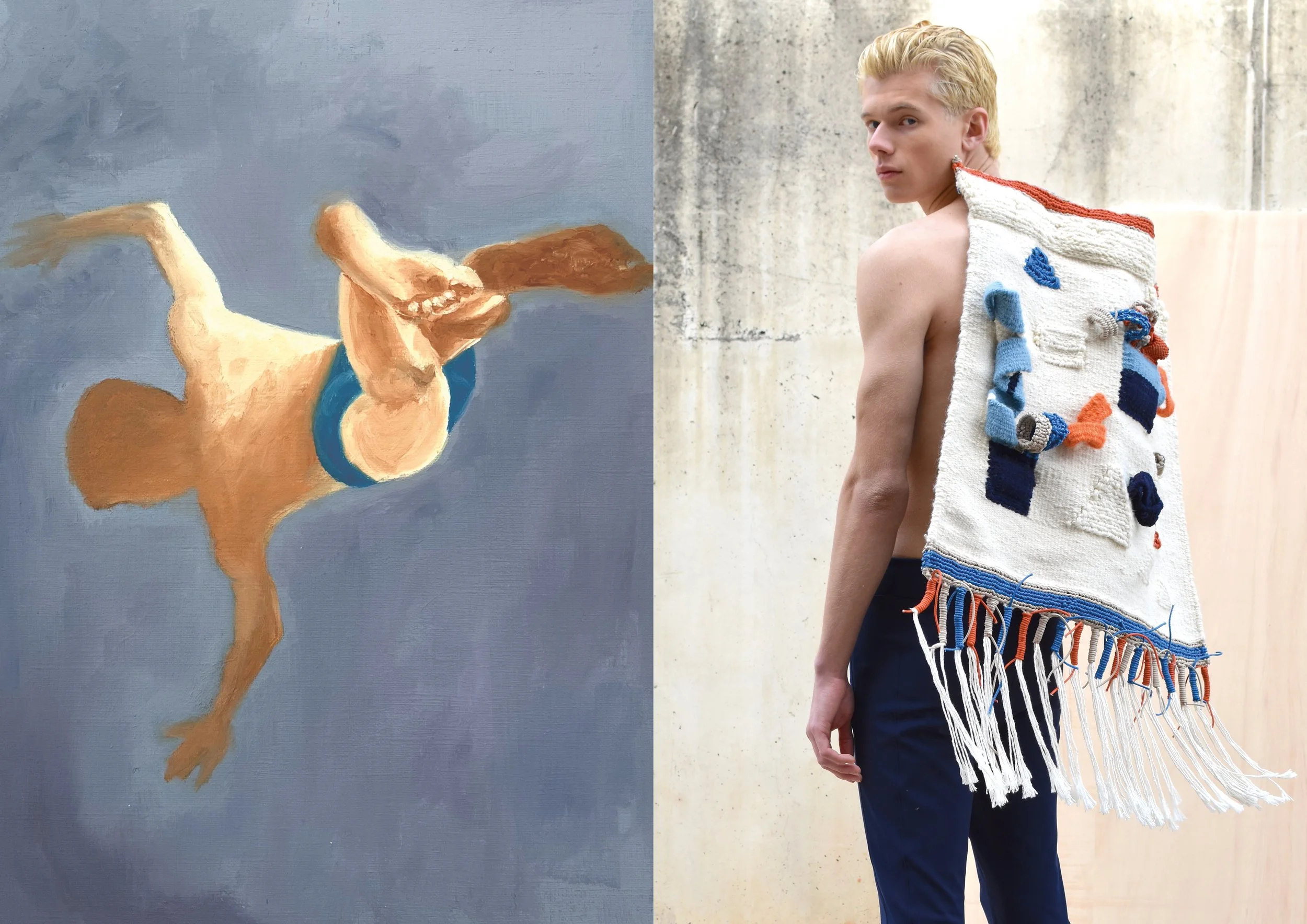
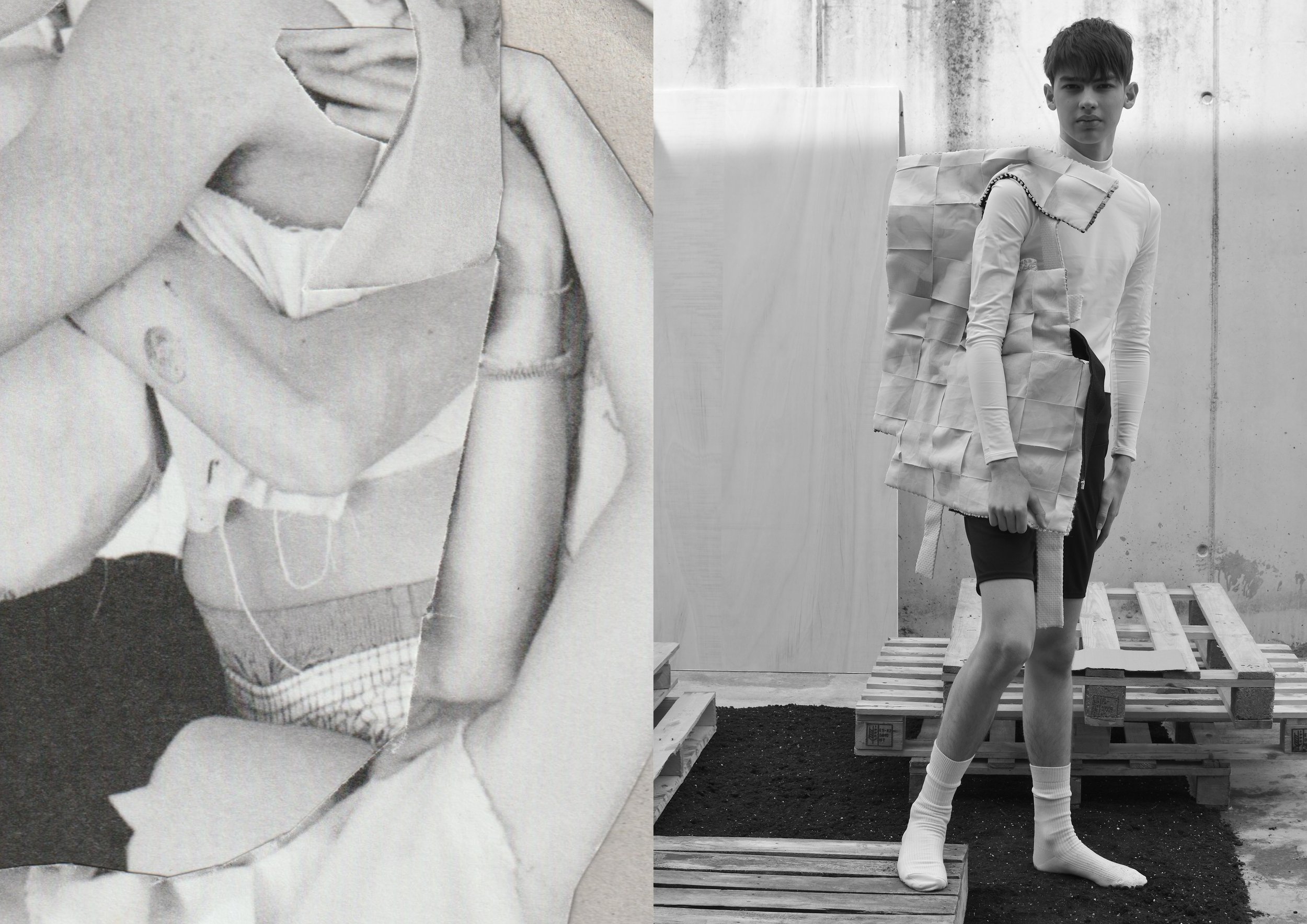
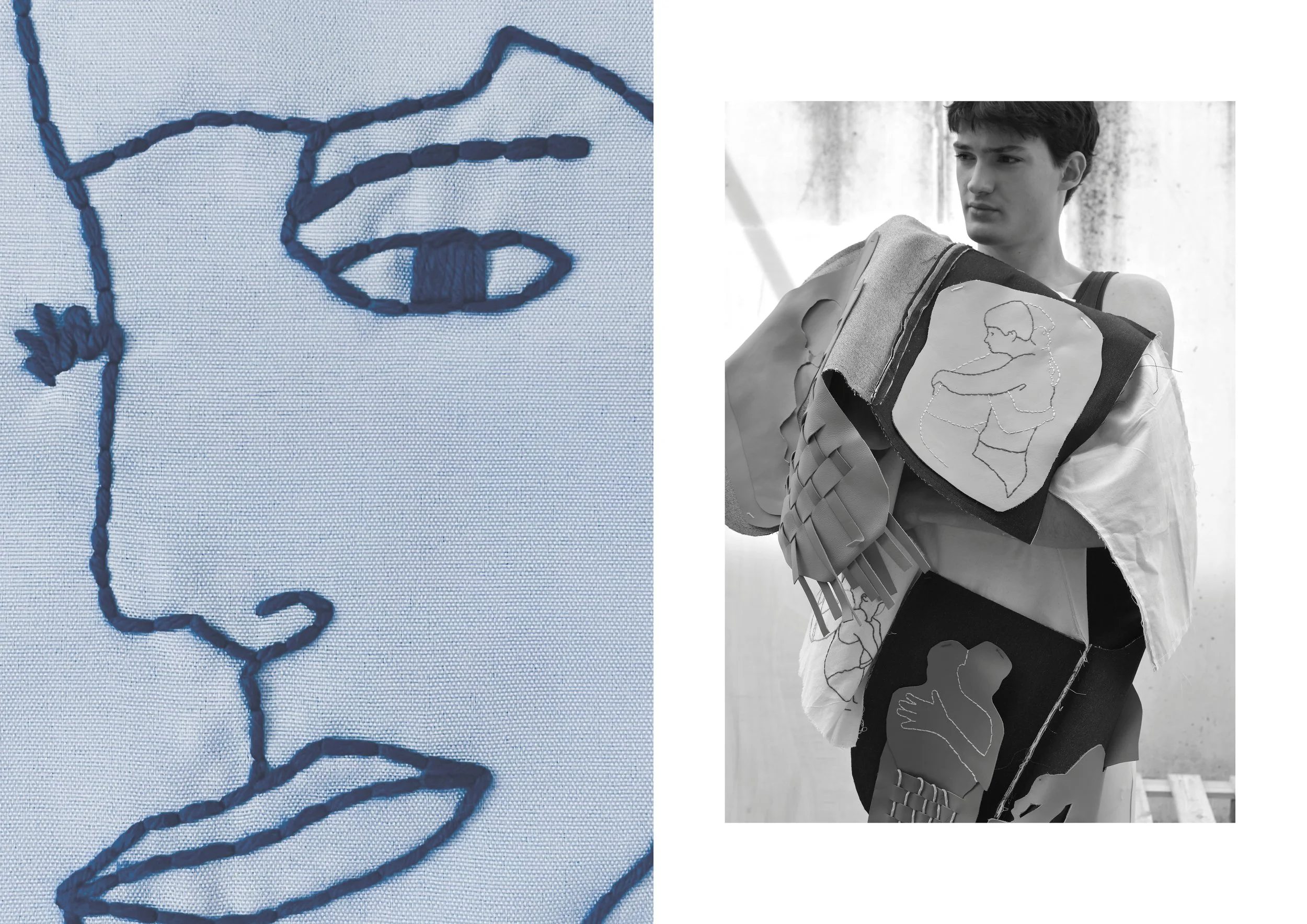
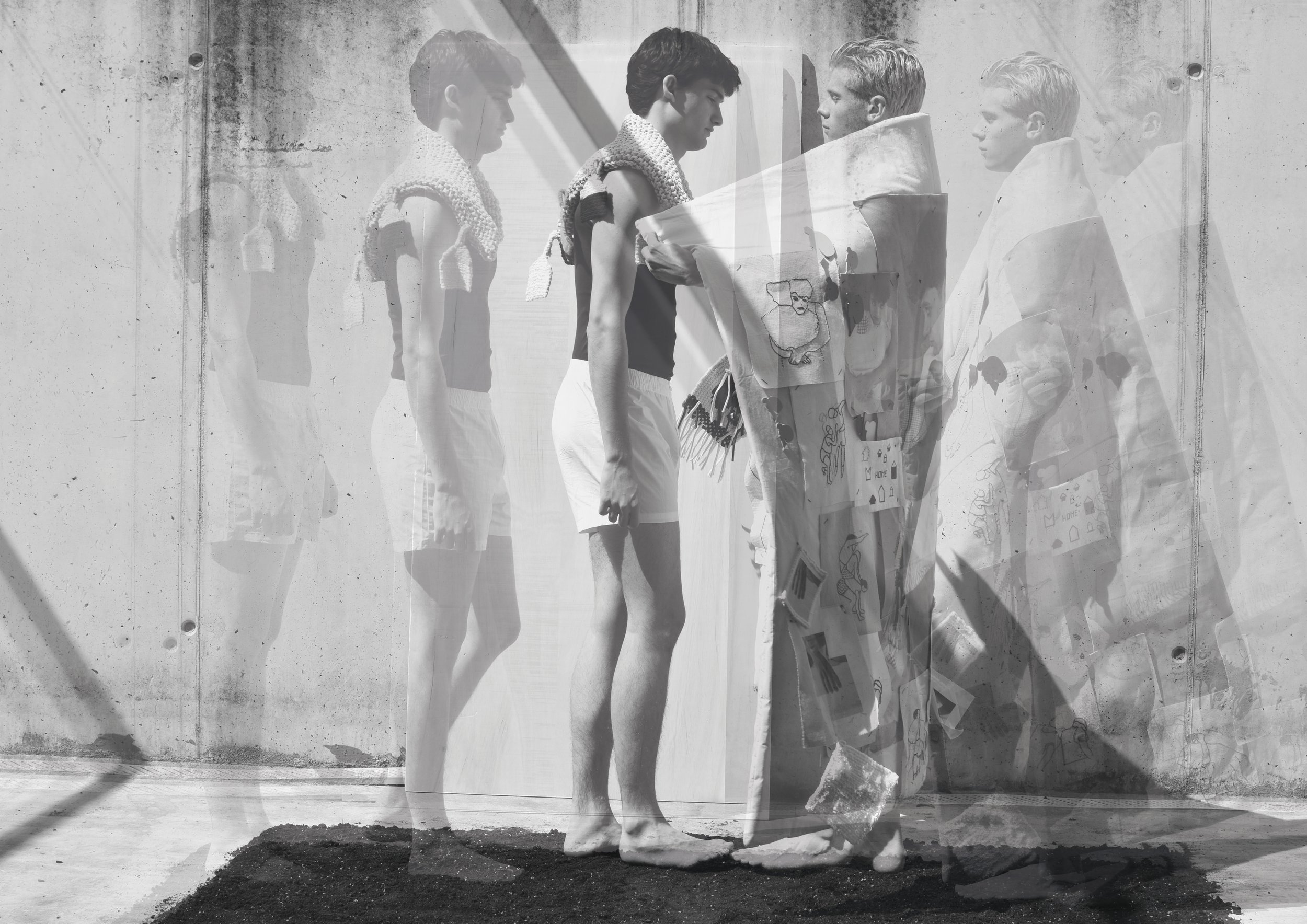
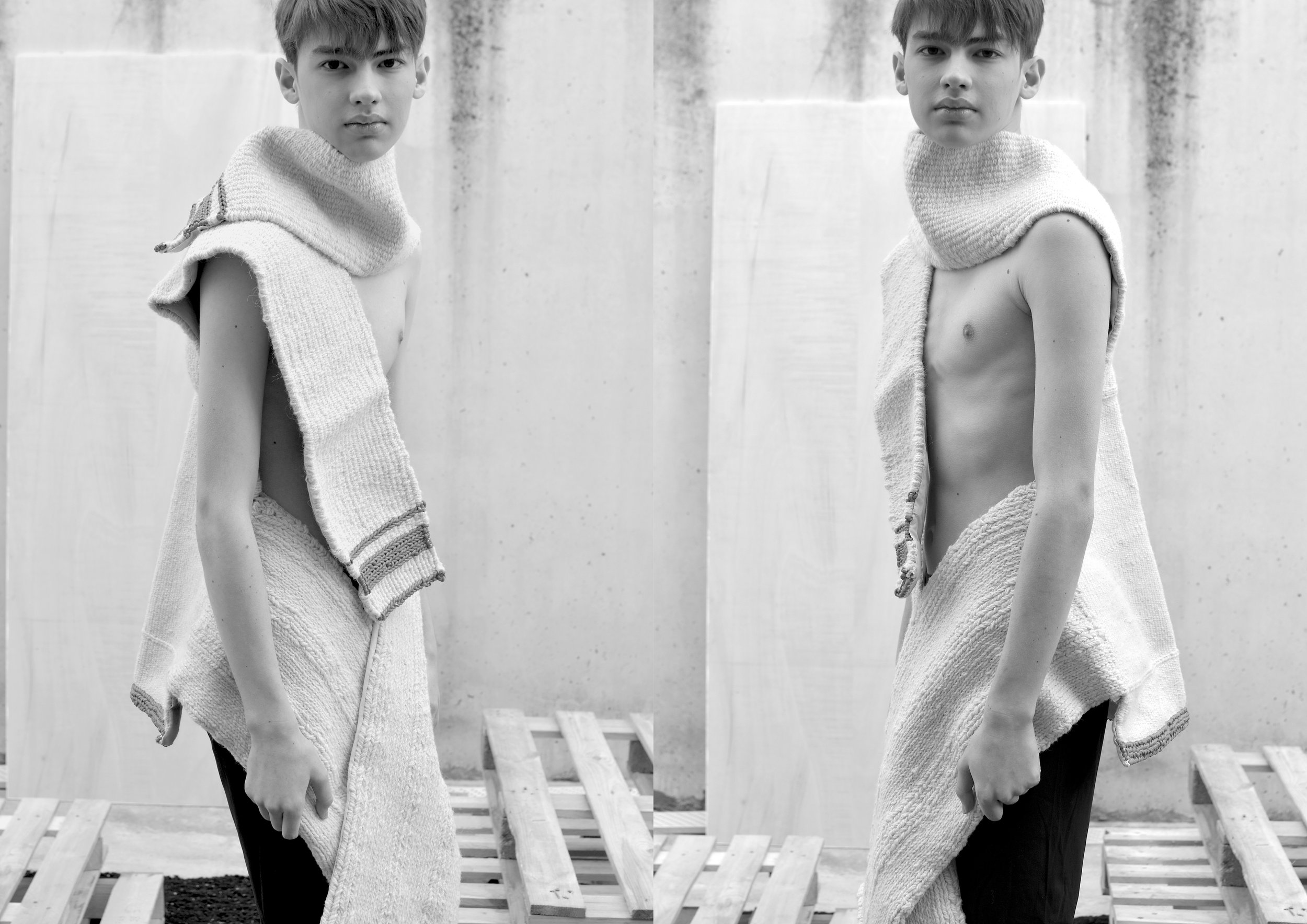
The project is composed of six textile pieces conceived as extended sculptural works designed to be activated by the body, using the figure of the traveller as their central metaphor. Each piece originates from a distinct conceptual inspiration.
Where do we come from, and where are we going? Along this journey, six symbolic figures emerge, each representing a different stage or dimension of the path.
1. Thinker – Nest
Visually inspired by the figure of The Thinker, this piece represents the place from which we begin. The nest is a home built by birds through their own anatomy—a refuge created from the body itself. It evokes the newborn's first embrace with the mother, our earliest experience of shelter, warmth and belonging.
2. Walker
Visually inspired by Alberto Giacometti's walking figures, this piece reflects the idea that our lives are made up of long journeys composed of fragments: encounters, experiences, memories and relationships that gradually shape who we become.
3. Climbing Wall
Visually represented through the figure of an acrobat, this work explores the obstacles encountered along the way. The acrobat, suspended in an inverted position, symbolizes the possibility of seeing reality from another perspective. In moments of crisis or apparent dead ends, inversion becomes a way of transforming one's circumstances. The climbing wall and the acrobat together embody challenge, risk, vulnerability and the effort required to move forward.
4. Labyrinth
Represented by the image of a labyrinth, this piece becomes a metaphor for the complexity of reaching a destination. Rarely is life a straight path; instead, it unfolds through detours, uncertainty and constant reorientation.
5. Androgyne
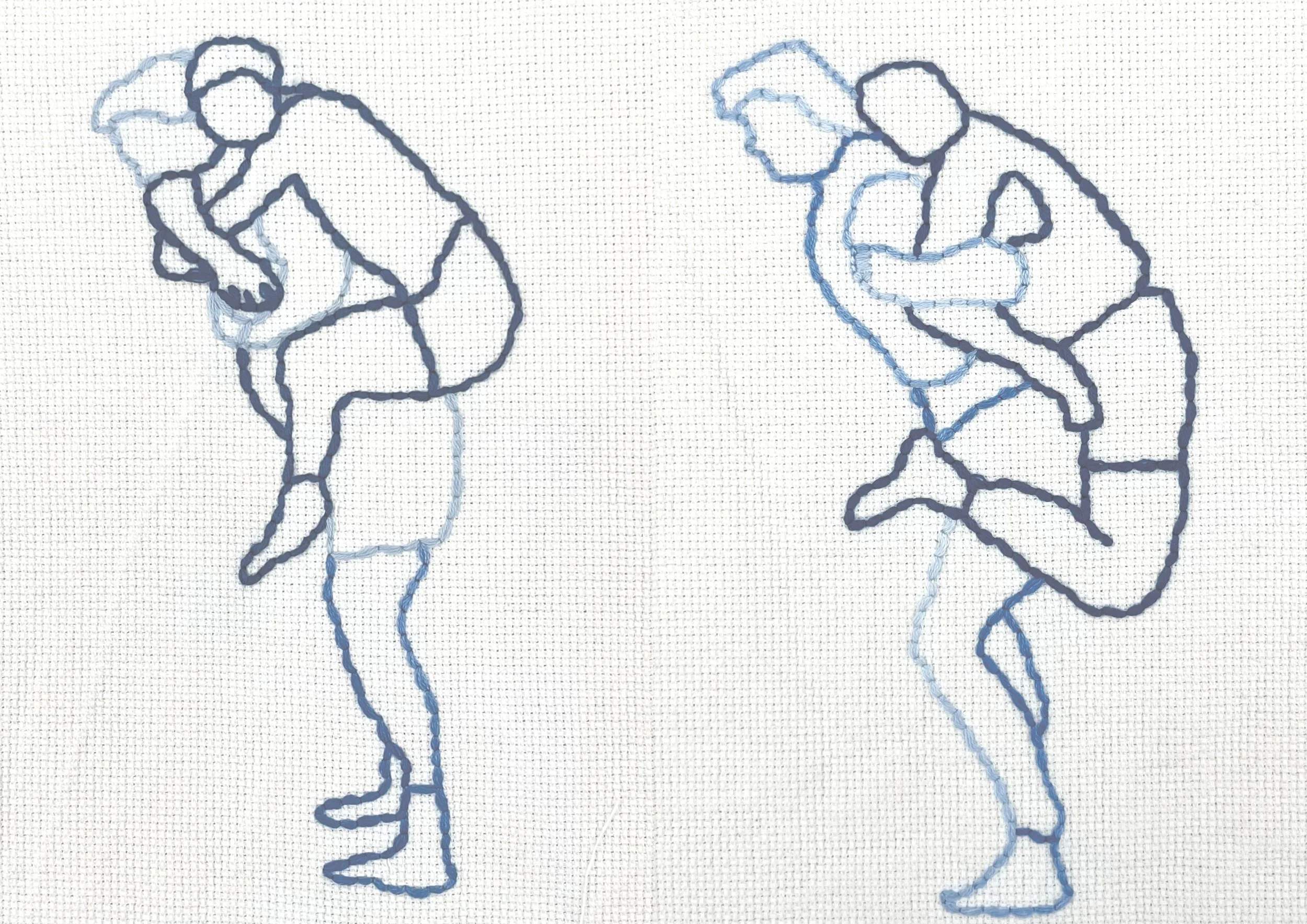
Inspired by the ancient myth of the androgyne, this work reflects the idea that human beings were once whole. After being divided as a form of punishment, they are condemned to search for their missing half. Traditionally understood as the search for one's "other half," this myth becomes a metaphor for our desire to reconnect, to find the embrace through which unity is restored.
6. Couple – Union
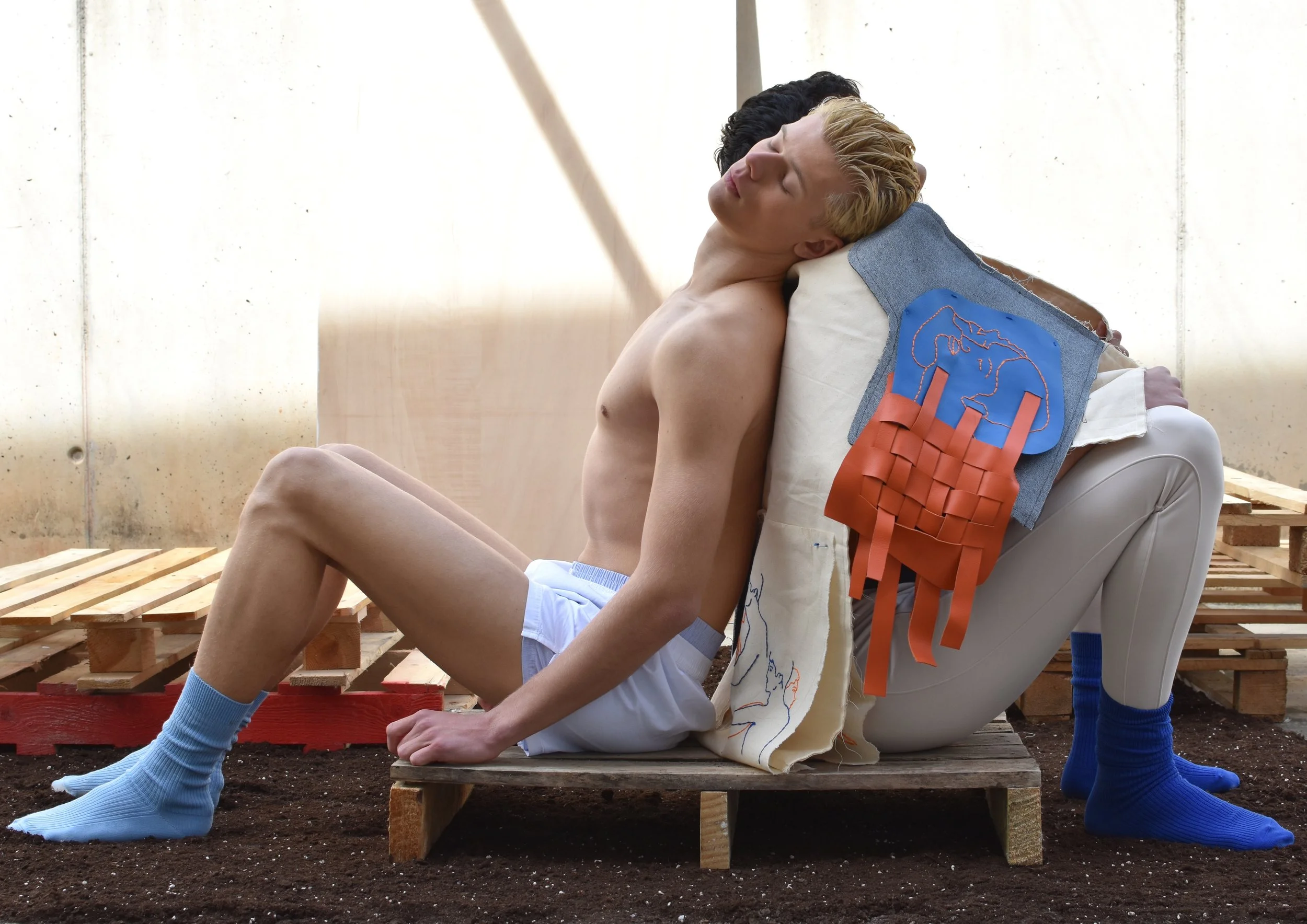
Visually inspired by Louise Bourgeois' sculpture Couple, this final piece presents the embrace as the destination. The embrace becomes home—the place where separation dissolves into unity, where the circle is finally completed and belonging is made tangible.
CONCEPT
Hogar como constante destino vital;
El abrazo como metáfora de hogar.
Home as a Constant Destination.
The Embrace as a Metaphor for Home.
FINAL NARRATIVE EXPRESSION
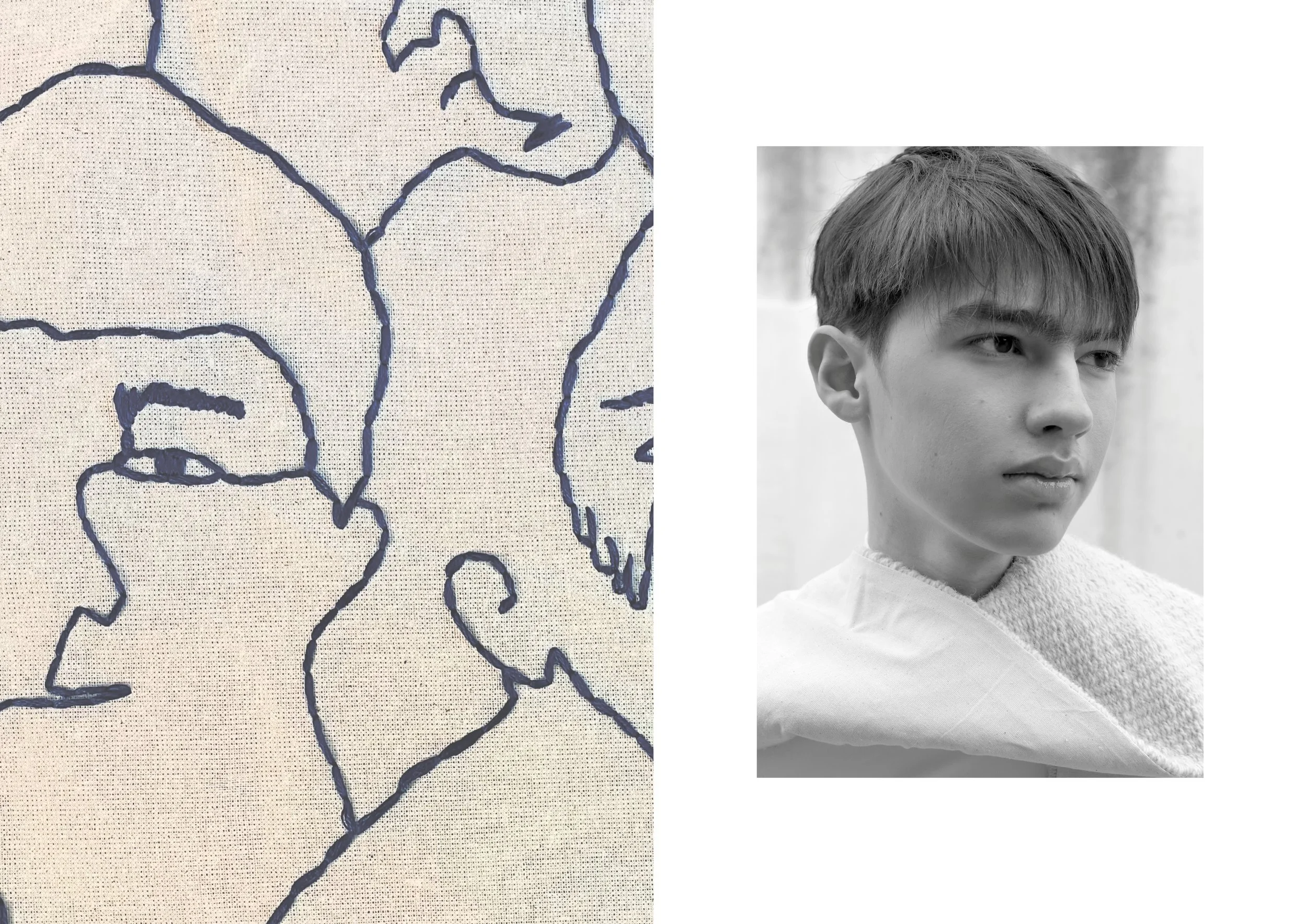
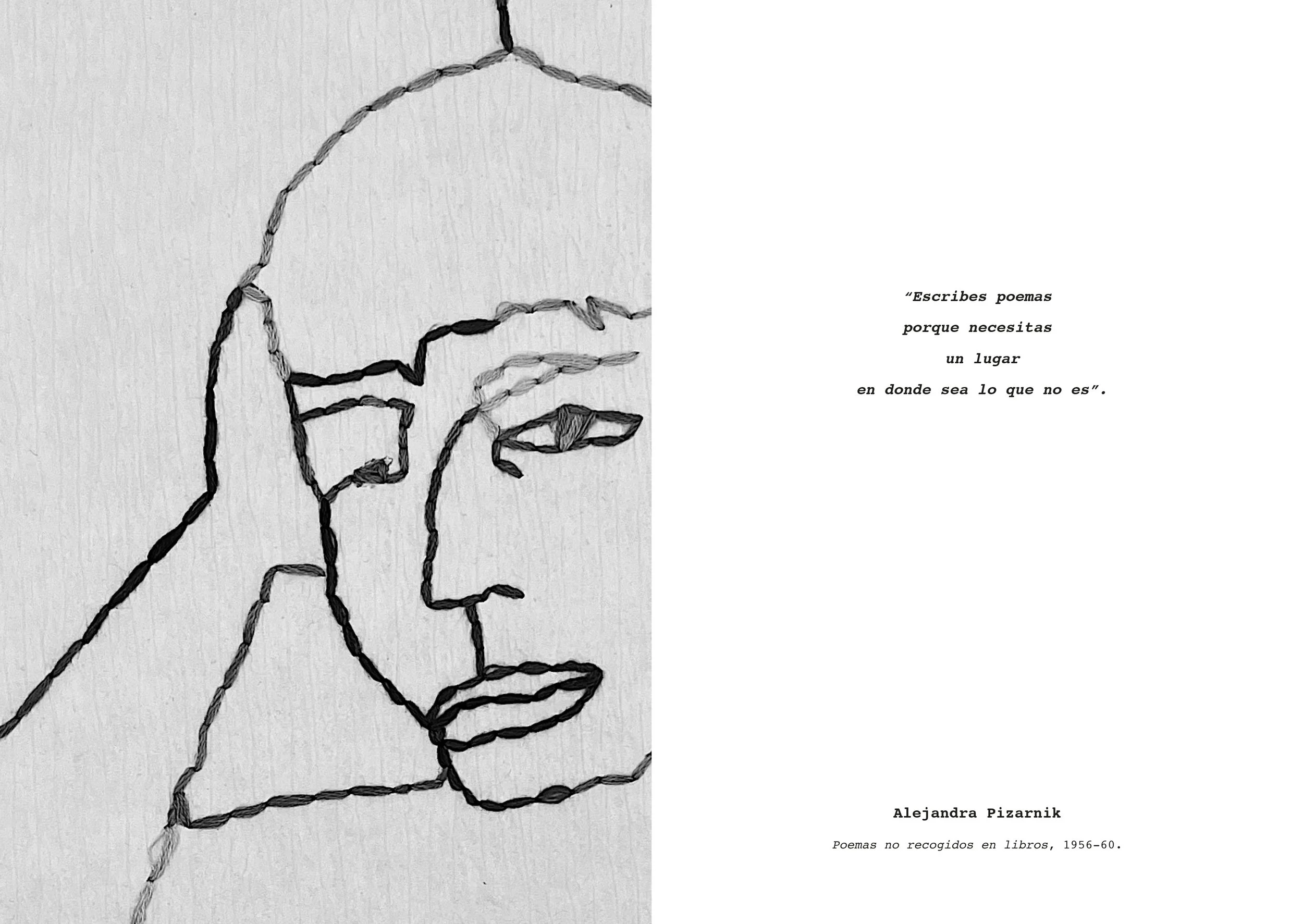
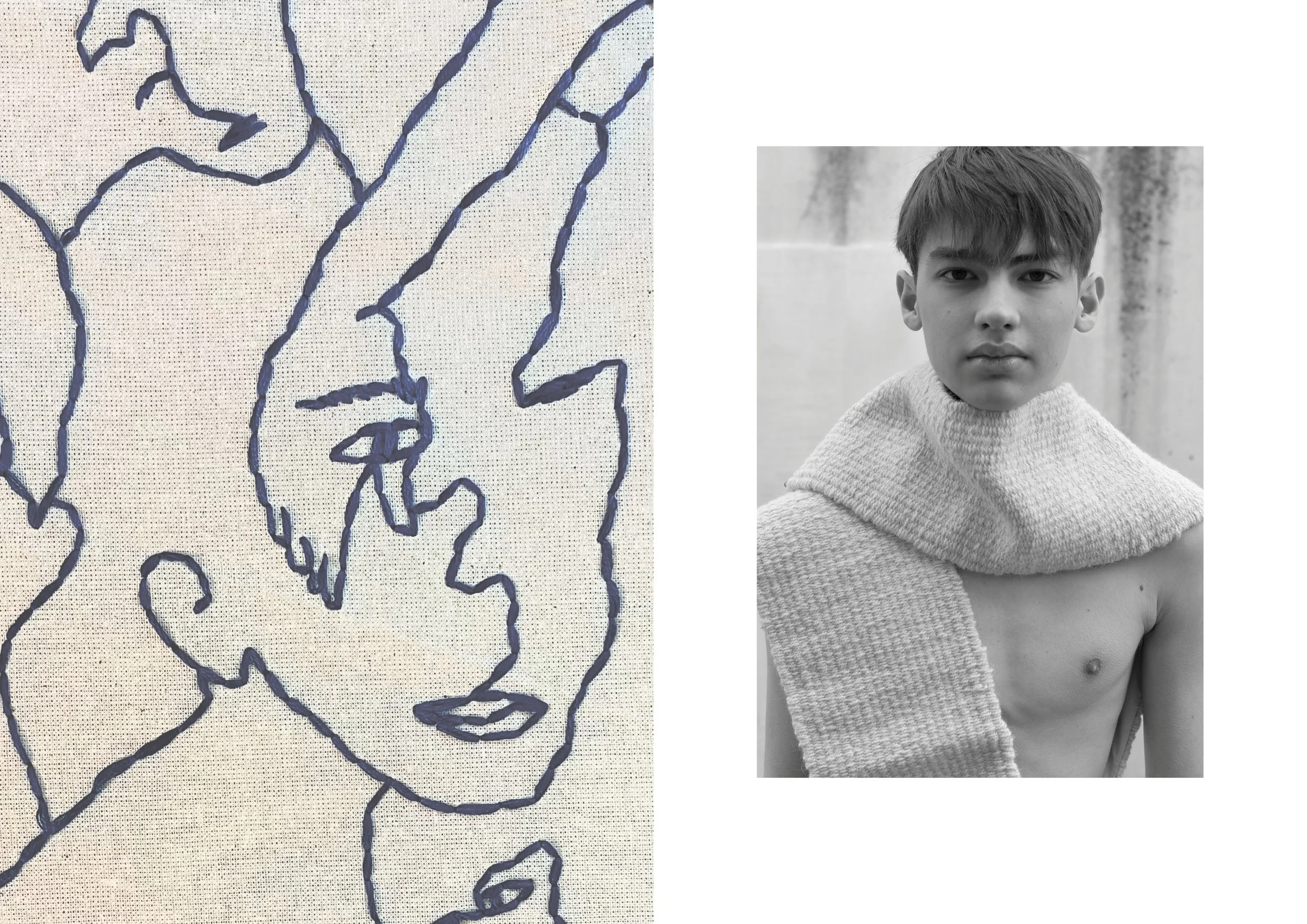
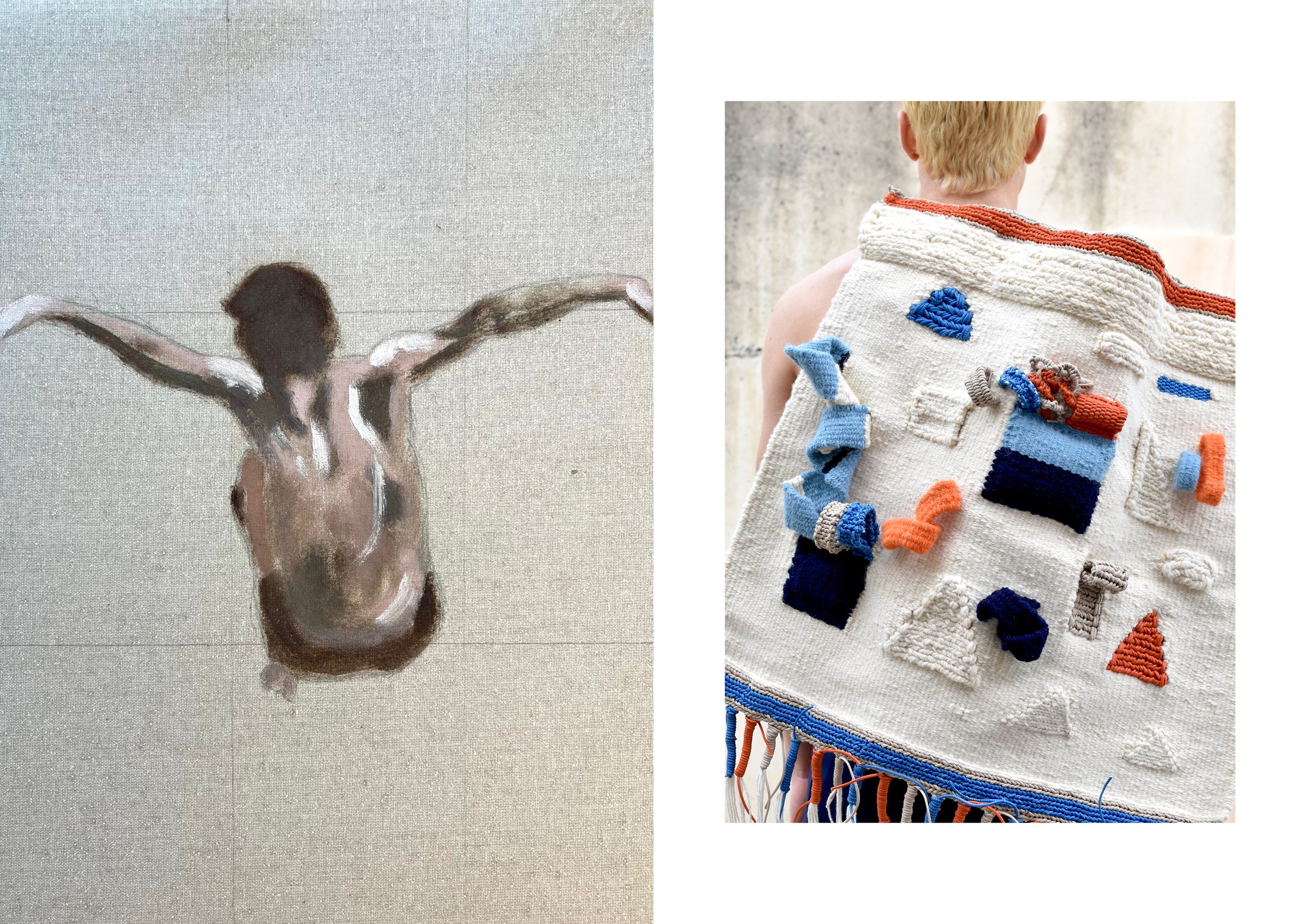
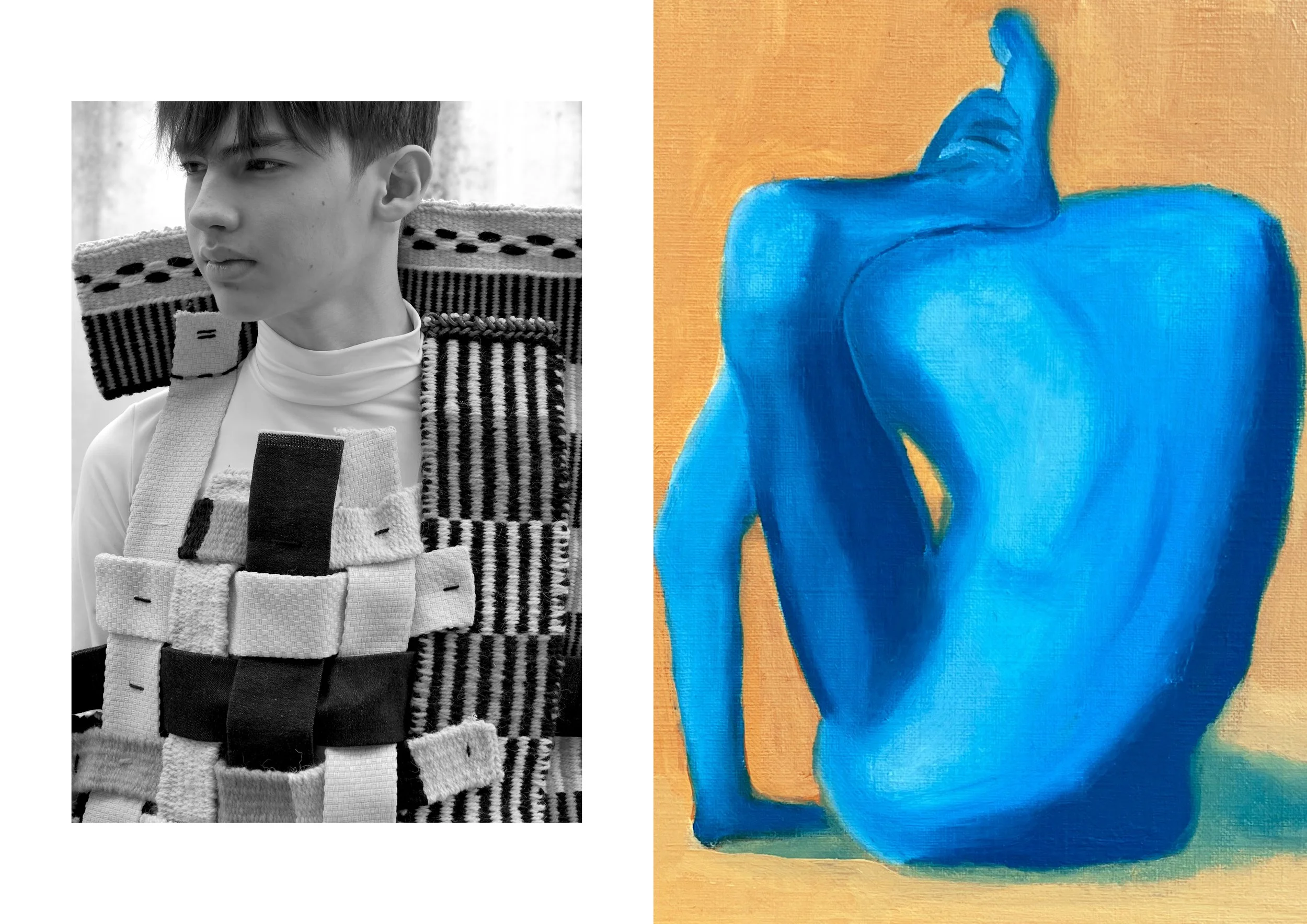
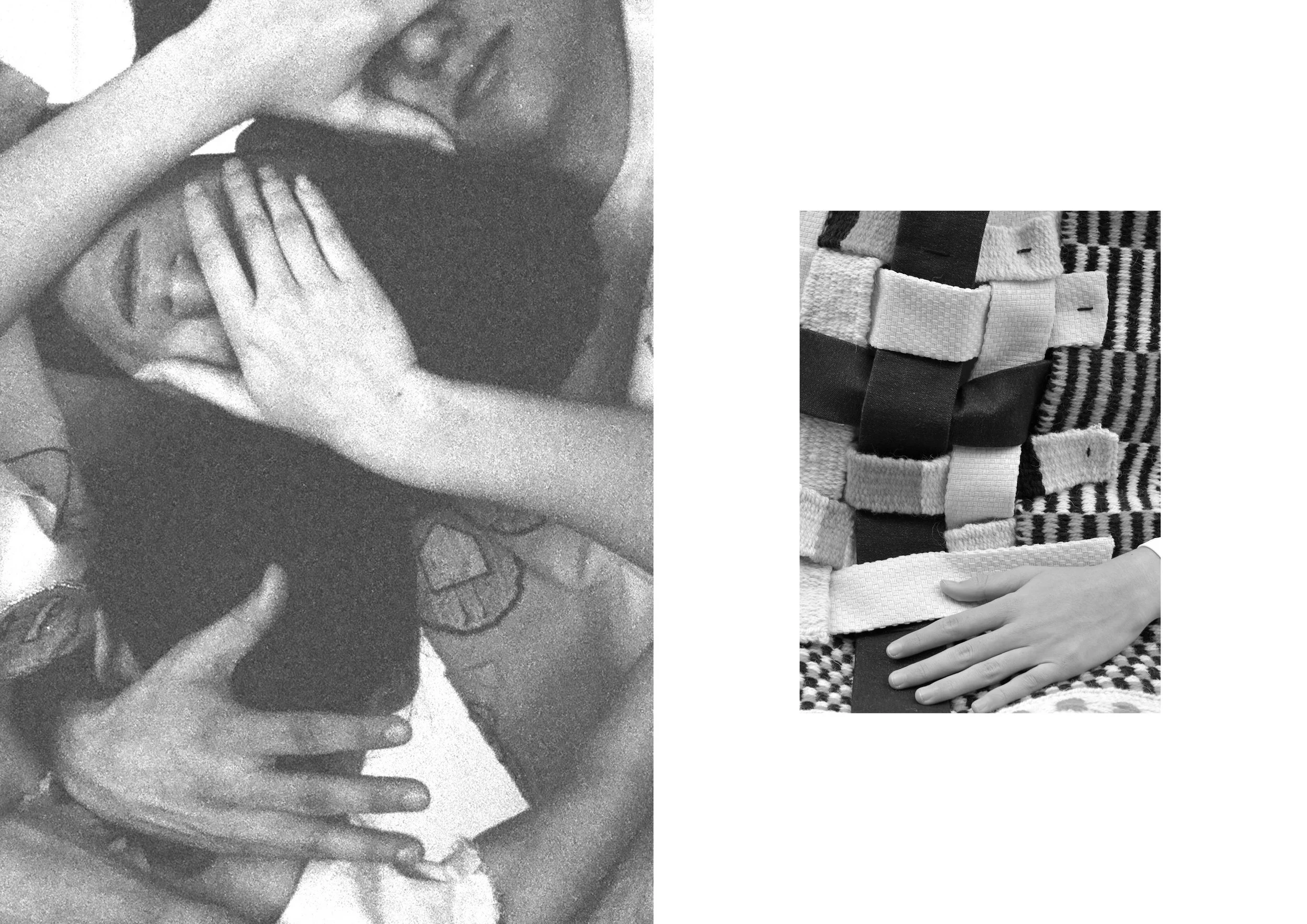
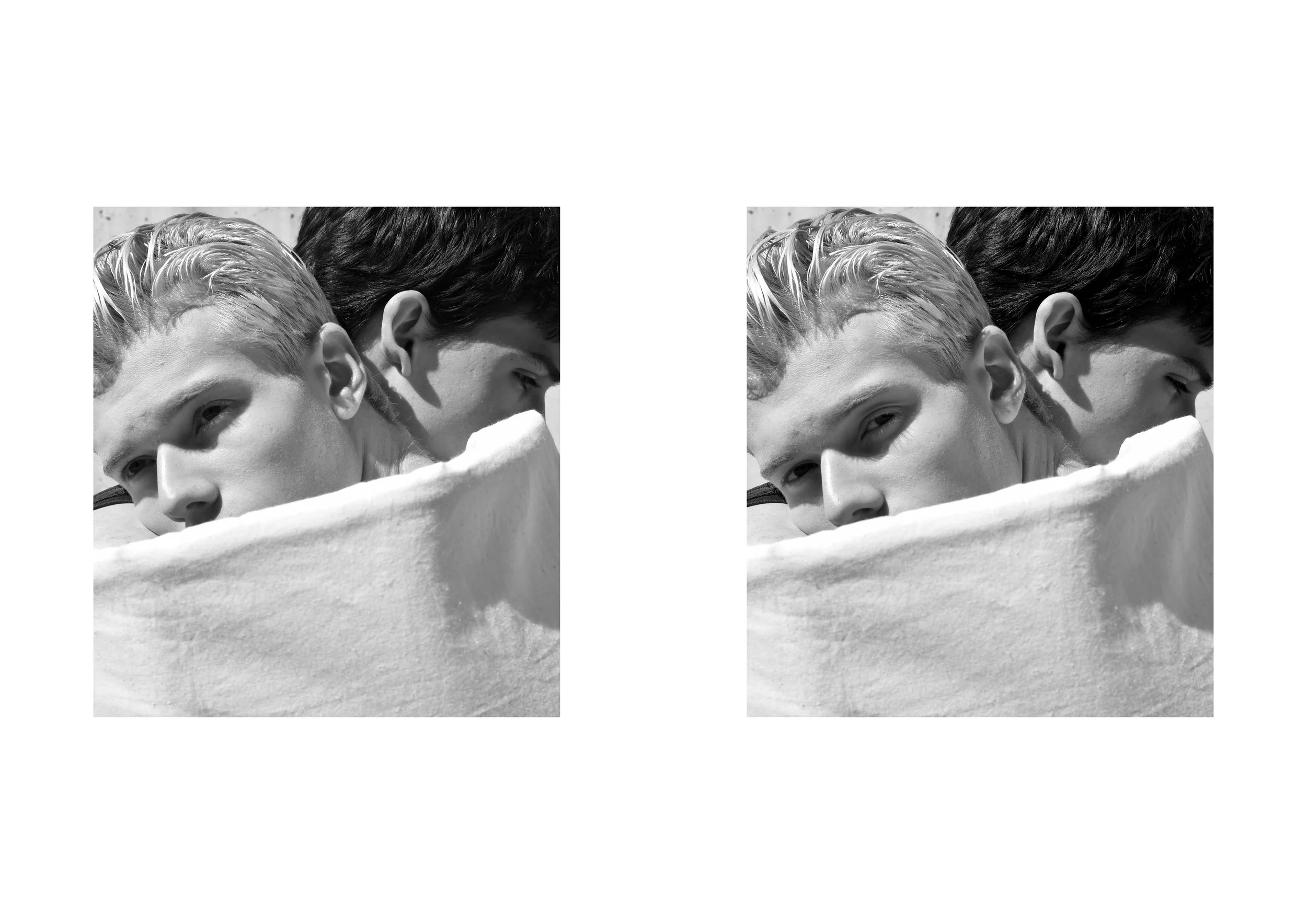
Publicación física de un fanzine en formato archivo tamaño A4. El proyecto construye una narrativa visual a partir de texto, fotografía, collage, óleo y elementos téxtiles como el tapíz, el patchwork y el bordado.
A physically published A4 archive-style fanzine. The project constructs a visual narrative through text, photography, collage, oil painting, and textile techniques including tapestry, patchwork, and embroidery.